Looking into how to properly maintain your gas water heater? Water heaters tend to play an essential role in your daily life. This wonderful equipment provides hot water for bathing, cleaning, and various household tasks. However, due to their constant use, proper maintenance of these heaters is required to ensure their longevity and efficient operation.
In this blog, we highlight the importance of water heater maintenance and explore some easy tips for regular gas water heater maintenance. Let us help you avoid costly repairs and ensure an uninterrupted hot water supply!
Why Is Water Heater Maintenance Important?
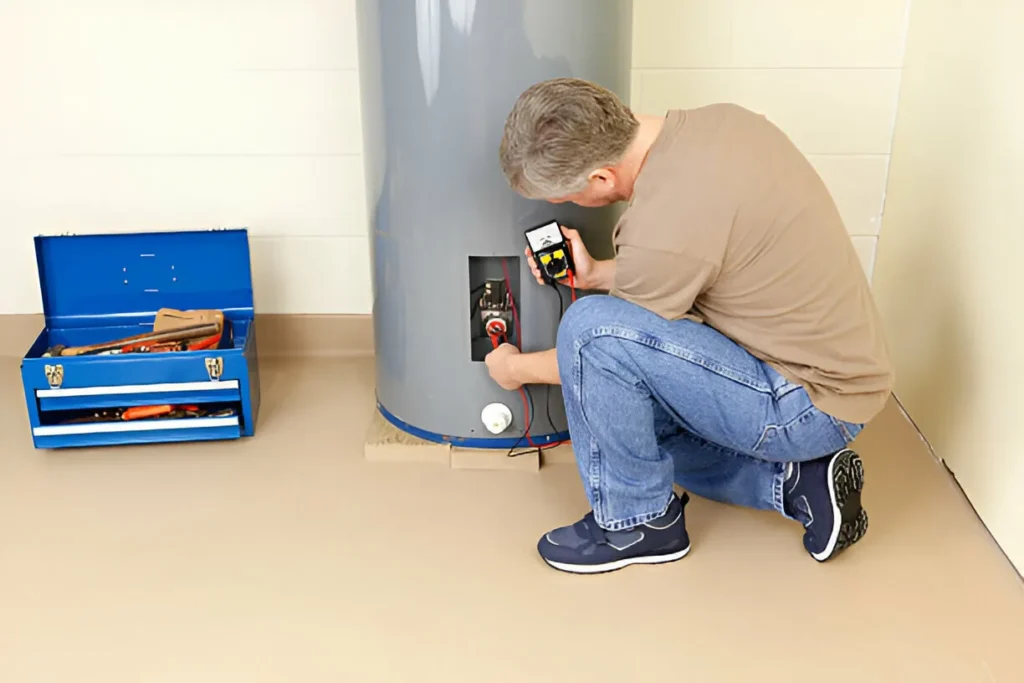
Water heaters are subjected to continuous use and are under immense strain to deliver hot water whenever needed. Without proper maintenance, they can experience wear and tear, which leads to decreased efficiency and even potential breakdowns.
1.Preventing Sediment Buildup
Over time, sediment can accumulate inside your gas water heater tank. This sediment is often made up of minerals and debris that are naturally present in the water supply. As sediment builds up, it can settle at the bottom of the tank. This reduces the amount of available hot water and causes the heater to work harder to maintain temperature. Regular gas water heater maintenance can help remove this buildup and ensure optimal performance.
2.Ensuring Efficiency
Maintenance of your gas water heater is also important for ensuring the efficiency of your water heater. A myriad of issues including sediment buildup and corrosion can cause the heater to work harder than necessary. This leads to the heater consuming more energy and generating higher utility bills.
3.Addressing Corrosion
Corrosion of the inner machinery is another common issue that can affect water heaters, particularly those made of metal. This happens when metal components come into contact with water and oxygen over time, leading to rust and deterioration.
If left unchecked, corrosion can weaken the tank and eventually cause leaks or other malfunctions. Regular gas water heater maintenance can help prevent expensive replacements. This includes inspecting for signs of corrosion and replacing corroded parts.
4.Preventing Breakdowns
Perhaps most importantly, regular maintenance can help prevent unexpected breakdowns and the inconvenience they entail. A broken down or malfunctioning water heater can throw your daily routine off the rails and leave you without hot water when you need it most.How To Do Maintenance On Your Water Heater Properly?
1.Regular Inspection
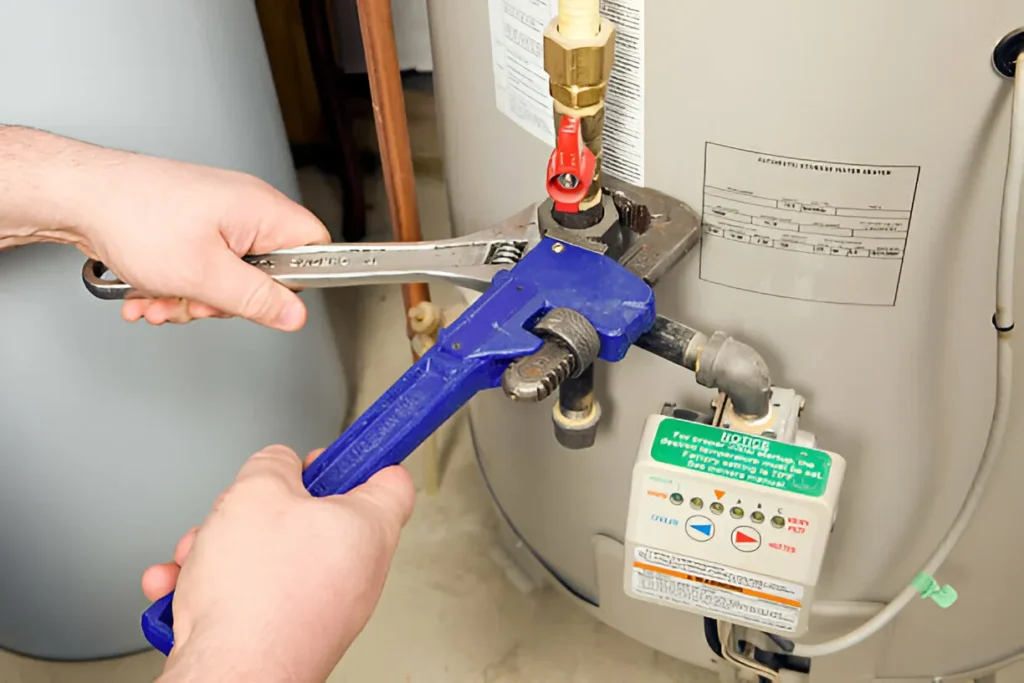
Regularly inspecting your water heater is essential for identifying potential issues early on. You need to look for the signs of corrosion, leaks, or unusual noises when the heater is running. Check the pressure relief valve and ensure it’s functioning correctly. Taking the time to inspect your water heater periodically can help you catch problems before they escalate into repairs.
2.Bi-Annual Flushing
If you are asking yourself how often to clean or flush the water heater, the answer is twice per year. Draining and flushing your water heater bi-annually is crucial for removing sediment buildup inside the tank. Sediment accumulation can reduce the heater’s efficiency and lead to premature failure.
To flush your water heater, turn off the power and water supply. Then you need to find the drain valve and attach a hose to it. Lastly, make sure to drain the tank completely. Once drained, refill the tank and turn the power back on. This helps maintain optimal performance and extend its lifespan.
3.Tank Insulation
When you insulate your water heater tank, you can improve the overall energy efficiency and reduce heat loss. An insulated tank retains heat more effectively, reducing the workload on the heater and lowering energy bills. Additionally, insulation helps prevent standby heat loss, ensuring hot water is readily available when needed. You can do this by adding an insulating blanket to your water heater to maximise efficiency and savings.
4.Temperature Adjustment
Adjusting your water heater’s temperature settings can improve safety and energy efficiency. Most water heaters come preset with temperatures higher than necessary, increasing the risk of scalding and wasting energy. Lowering the temperature to 120°F is sufficient for most household needs while reducing energy consumption and minimising the risk of burns. Consult your water heater’s manual for instructions on adjusting the temperature settings safely.
5.TPR Valve Testing
Regular testing of the temperature pressure relief (TPR) valve is essential for ensuring safe operation. The TPR valve releases pressure buildup inside the tank to prevent explosions. To test the valve, all you need to do is place a bucket beneath the discharge pipe connected to the valve and lift the lever. If water flows and stops when you lower the lever, the valve is functioning correctly. If not, it may need to be replaced by a qualified technician.
6.Anode Rod Replacement
Over time, the rod attracts corrosive minerals, preventing them from damaging the tank. However, the rod can degrade over time and should be replaced every five years to ensure continued protection. You need to regularly inspect and replace the anode rod as needed. This will prolong the lifespan of your gas water heater.
7.Air Intake Filter Replacement
If you have a tankless water heater, regularly replacing the air intake filter is essential for maintaining optimal performance. The filter prevents debris from entering the heater, ensuring efficient operation. Make sure to check the manufacturer’s recommendations and follow them diligently to prevent airflow restrictions and potential damage to the heater.
8.Pipe Insulation
Insulating the pipes connected to your gas water heater works the same way as insulating the tank. The pipes that have been insulated are less susceptible to freezing and bursting, reducing the risk of water damage in the winter. Consider adding foam pipe insulation to exposed pipes to maintain consistent water temperature and ensure a reliable hot water supply throughout the year.
9.Professional Inspection
While DIY gas water heater maintenance is beneficial, scheduling professional inspections periodically is recommended for thorough assessment and maintenance.
Professional technicians, like the team of experienced plumbers at Smart Choice Plumbing, have the expertise and tools to identify potential issues early and perform necessary repairs or adjustments. Such experts can also provide valuable recommendations for optimising your water heater’s performance and efficiency.
To Wrap Up
Regular gas water heater maintenance is essential to ensure optimal performance, energy efficiency, and longevity. By following the tips mentioned above, you can prevent sediment buildup, address corrosion, ensure efficiency, and prevent unexpected breakdowns. Keep in mind that you should inspect your water heater regularly, drain the tank bi-annually, insulate the tank, adjust the temperature settings, and test the TPR valve.
By investing a little time and effort into maintenance now, you can avoid costly repairs and replacements down the road and ensure an uninterrupted hot water supply for your daily needs. For hot water repairs in Campbelltown, call Smart Choice Plumbing and get your water heater the attention it deserves!