Nothing is more upsetting than your sink starting to gurgle ominously, refusing to drain properly. Or worse, your toilet begins to overflow, threatening to turn your bathroom into a watery mess. These are the indicative signs of a blocked drain emergency, a situation that can quickly escalate from inconvenient to downright disastrous if not addressed promptly and effectively. While there is a long debate on whether blocked drains are the tenant’s responsibility or the landlord’s, it is important to know how to combat these emergencies.
What is Considered a Blocked Drain Emergency?
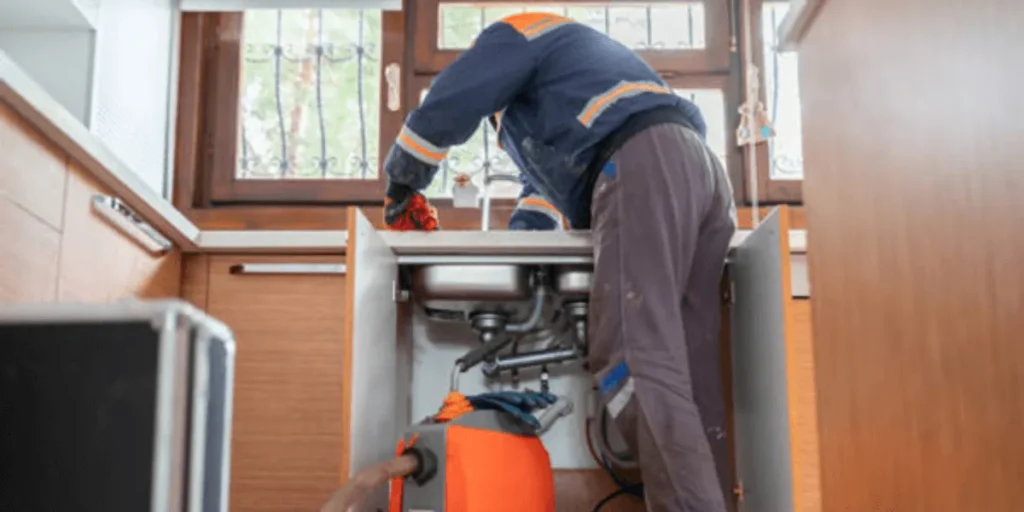
Before looking into solutions, it’s crucial to identify when a blocked drain crosses the threshold into emergency territory. Generally, a blocked drain is deemed an emergency if it poses a threat to your property, health, or safety. Common signs of a blocked drain emergency include:
- Complete Blockage: When water refuses to drain at all, leading to overflowing sinks, toilets, or showers.
- Foul Odours: Persistent foul smells emanating from drains, indicating a blockage that could worsen if left unattended.
- Unusual Noises: Gurgling or bubbling noises coming from drains, signalling trapped air due to blockages.
- Multiple Affected Fixtures: If multiple fixtures (such as sinks, toilets, and showers) are affected simultaneously, it may indicate a severe blockage deep within the plumbing system.
Tips for Clearing a Blocked Drain
Dealing with a blocked sewage drain can be a headache, but with the right approach, tools and techniques, you can often resolve the issue without arguing about whether this blocked drain will be treated by the tenant or the landlord. Here are some tried-and-tested methods for clearing blocked drains: If the same drain keeps blocking, compare jet blasting vs drain snaking before booking another clear.
Hot Water
One of the simplest and most effective remedies for minor blockages is pouring hot water down the drain. Hot water helps dissolve grease and soap scum, which are common culprits behind kitchen sink blockages. Boil water in a kettle or pot, then carefully pour it down the blocked drain in steady increments.
Plunger
A plunger is a tool that can unclog drains by creating pressure to dislodge blockages. To use a plunger effectively, make sure there is enough water in the sink to cover the plunger’s suction cup. Position the plunger over the drain, then rapidly plunge up and down for several seconds to create suction and pressure.
Bent Wire Hanger
For blockages caused by solid debris like hair or food particles, a bent wire hanger can be surprisingly effective. Straighten a hanger and bend one end into a hook shape. Insert the hook end into the drain and use a twisting motion to catch and remove any obstructions.
Hydrojet
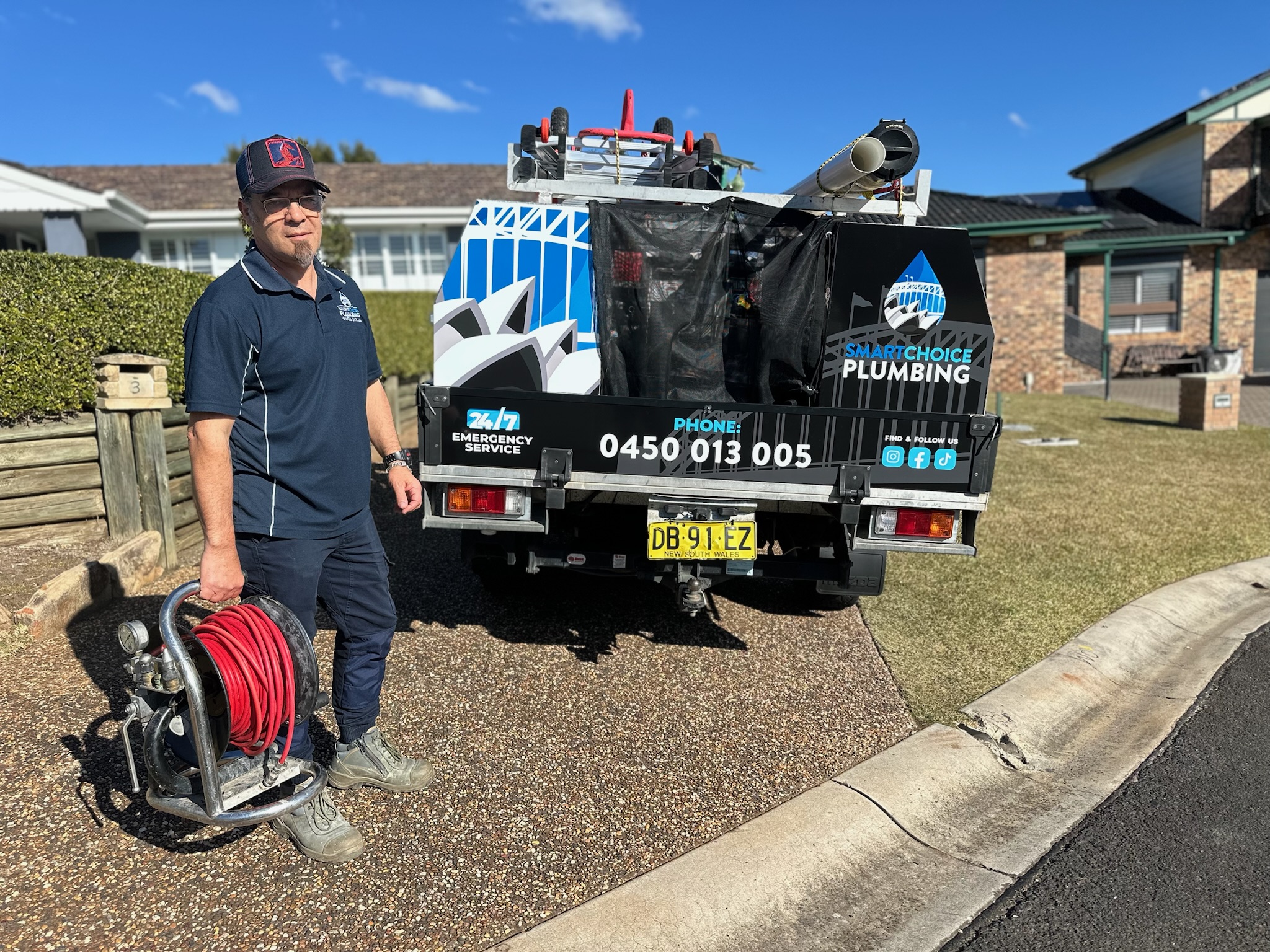
In cases of stubborn blockages or tree root intrusion, professional-grade equipment like a hydro jet used by drain specialists may be necessary. A hydrojet uses high-pressure water jets to blast through blockages and clean the inside of pipes thoroughly. While hydrojetting is highly effective, it’s best left to experienced professionals to avoid damaging your plumbing system.
Corrosive Cleaner
Commercial drain cleaners containing corrosive chemicals can be effective at dissolving organic matter, causing blockages. However, these cleaners can also damage pipes and pose health risks if not used properly. Exercise caution and follow the written instructions carefully when using corrosive drain cleaners.
Snake and Closed-Circuit Television (CCTV)
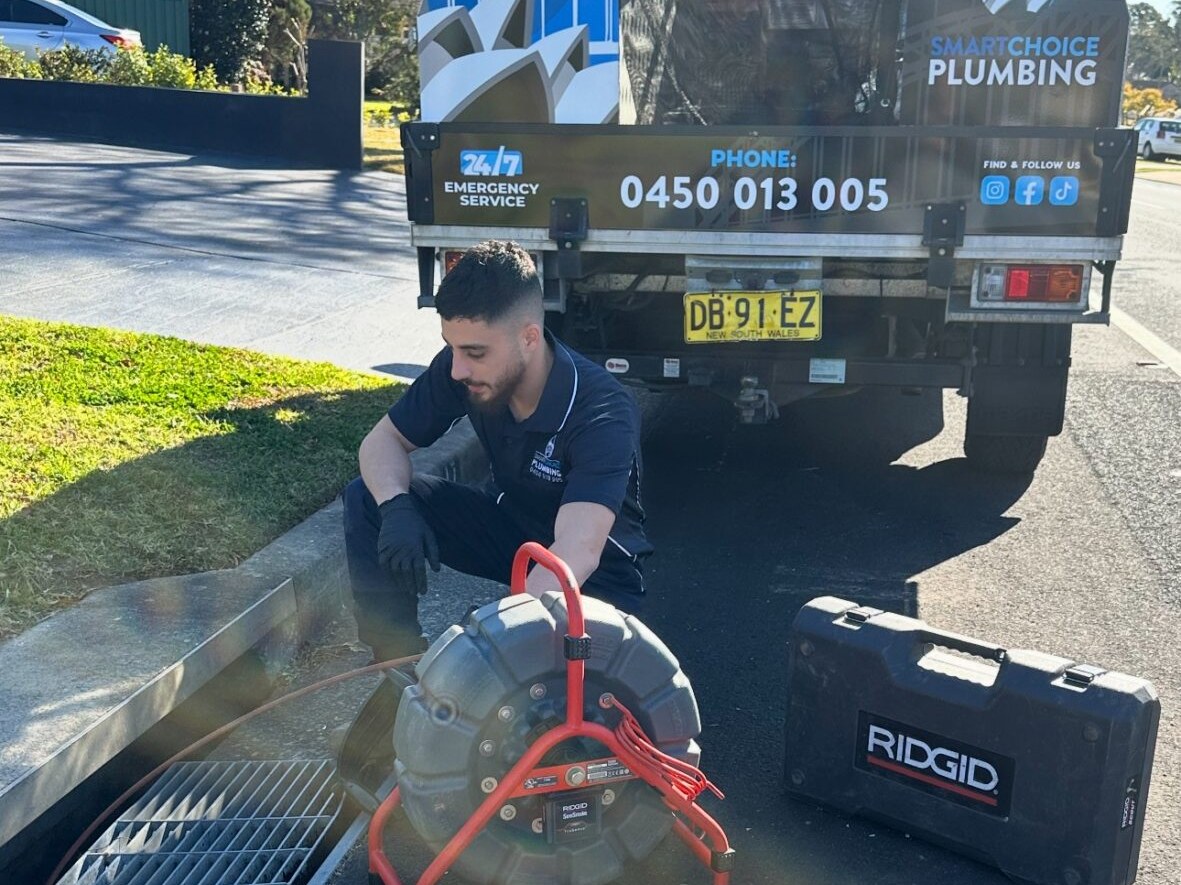
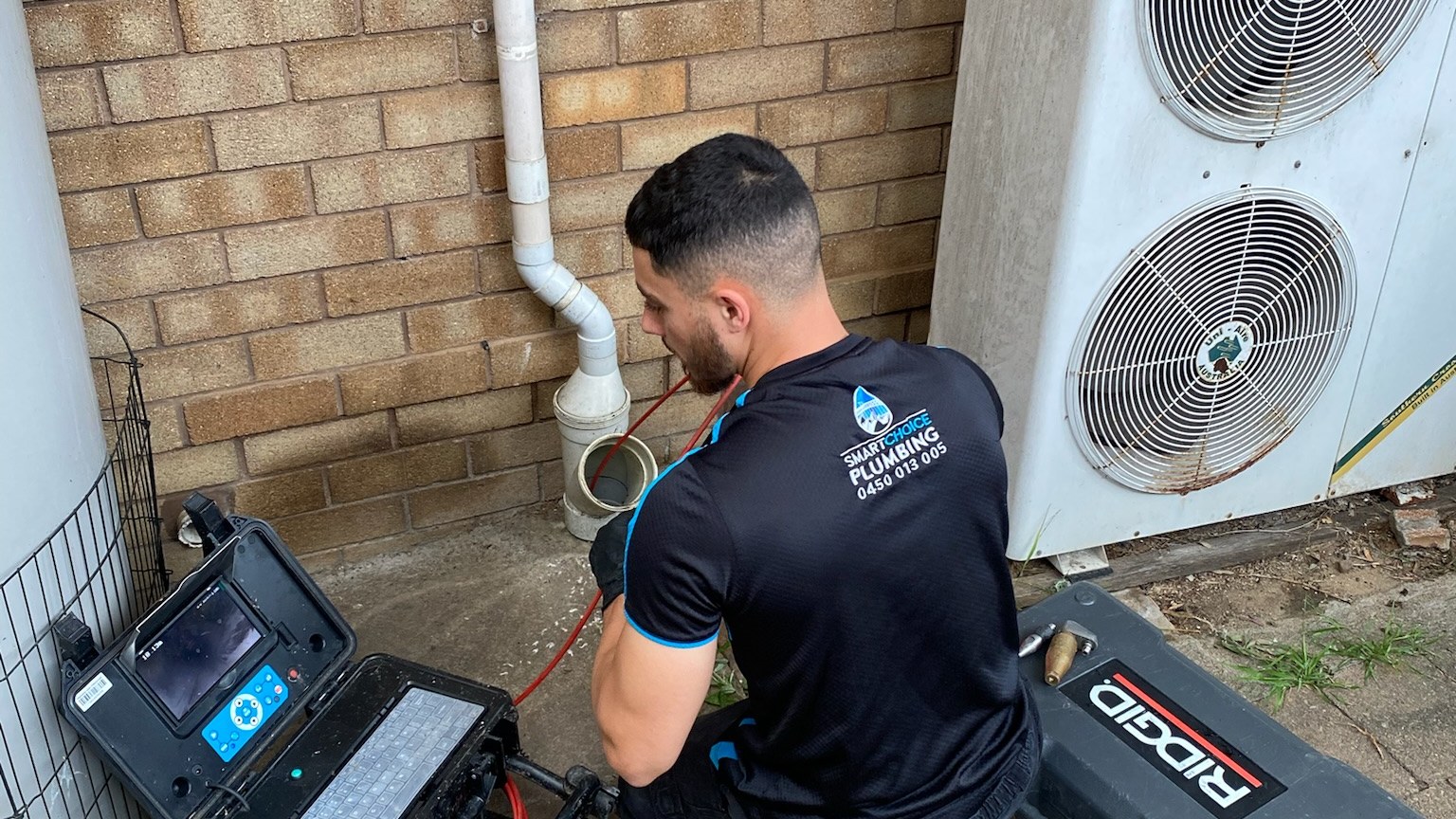
For more complex blockages or to inspect the condition of your pipes, professional plumbers may use a plumbing snake or CCTV camera. A plumbing snake is a flexible auger that can penetrate deep into drains to dislodge obstructions, while CCTV cameras provide real-time visuals of your plumbing system’s interior so that plumbers can pinpoint blockages and assess pipe condition accurately.
Excavation to Access the Pipes
In rare cases of severe blockages or pipe damage, excavation may be necessary to access and repair the affected pipes. This solution is typically a last resort due to its invasive nature and high cost. However, if other methods fail to resolve the issue, excavation may be the only option for water damage prevention and restoring proper drainage.
When to Call the Drainage Experts
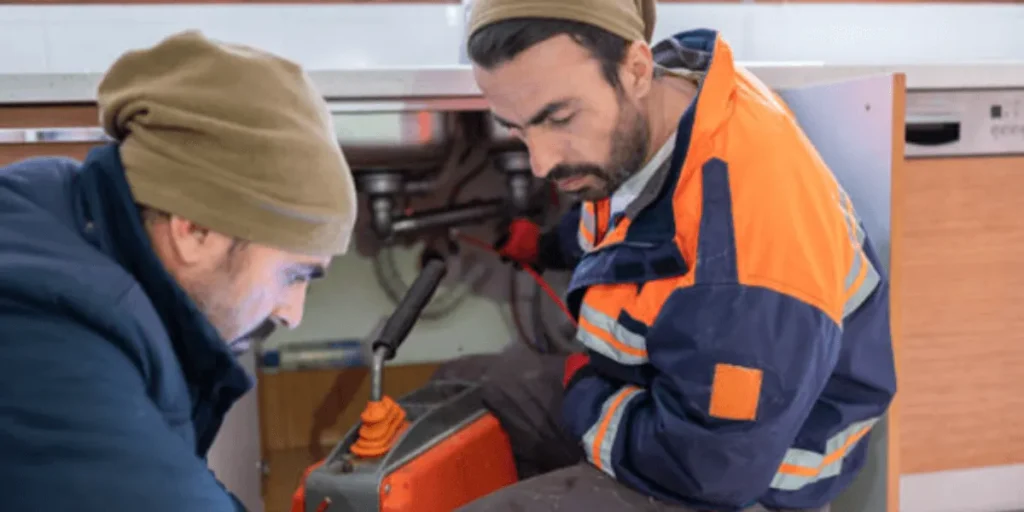
While DIY methods can often resolve minor blockages, there are situations where it’s best to leave the job to the professionals. If you’ve tried the above methods without success, or if you suspect a more significant issue such as tree root infiltration, collapsed pipes, or sewer line blockage, it’s time to call in a professional drainage service.
Furthermore, if you’re dealing with a sewage backup, foul odours persist despite attempts to clear the drain, or if you’re unsure of the cause of the blockage, it’s better to seek professional assistance promptly. Attempting to tackle complex drainage issues without the necessary expertise and equipment can lead to further damage and costly repairs down the line.
The Importance of Professional Maintenance
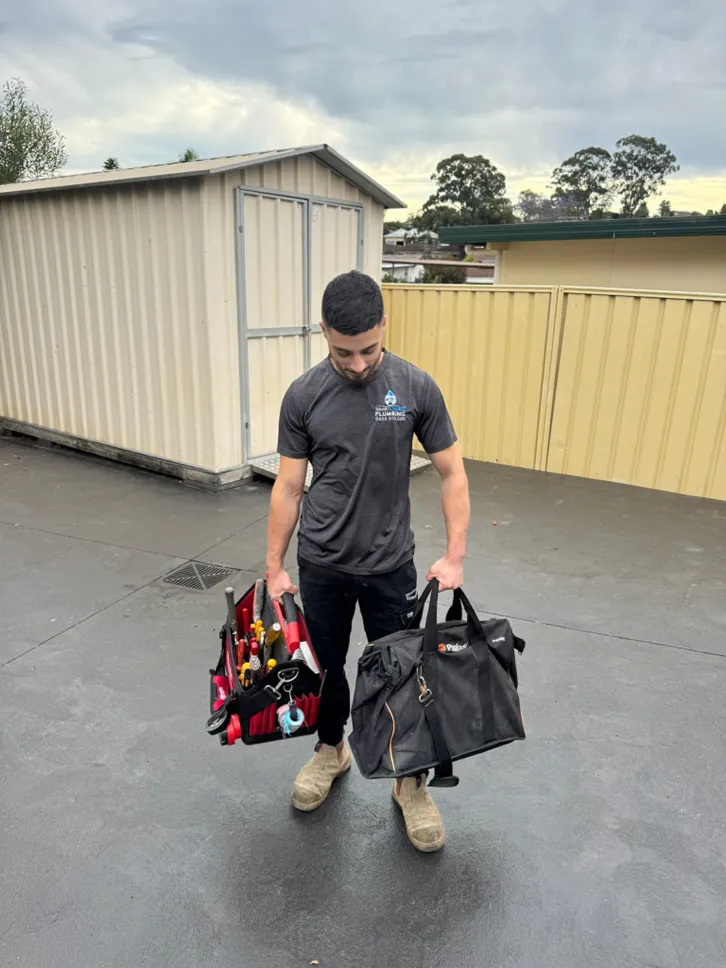
Regular maintenance by licensed plumbers can help identify and address potential drainage issues before they escalate into emergencies, saving you time, money, and hassle in the long run. Professional plumbers have the expertise and equipment to diagnose complex drainage problems accurately and provide effective solutions tailored to your specific needs.
Preventing Blocked Drains
Prevention is always better than cure when it comes to dealing with blocked drains. Here are some proactive measures you can take to minimise the risk of encountering drain emergencies:
- Regular Maintenance: Schedule periodic inspections and maintenance checks for your plumbing system to catch any issues before they escalate into emergencies.
- Proper Waste Disposal: Avoid flushing or rinsing down the drain items like grease, oil, coffee grounds, food scraps, and hygiene products that can contribute to blockages.
- Drain Guards: Install drain guards or strainers in sinks, showers, and tubs to catch the debris before it enters the drainage system.
- Grease Traps: If you run a commercial kitchen or food establishment, consider installing grease traps to prevent grease buildup in drains.
Bottom Line
By being proactive and employing these tips for clearing blocked drains, you can mitigate the inconvenience and potential damage associated with drain emergencies in your property. Remember to always seek professional assistance for persistent or severe drain issues to prevent costly repairs. For the best blocked drain services in Sydney, there is no better option than Smart Choice Plumbing. Contact us now and save yourself from these messy and uncomfortable drain emergencies.