Blocked Sewer Line: How To Spot the Signs and Fix It Fast
A blocked sewer line is one of the most serious plumbing problems a homeowner can face. Sewer issues often begin quietly and then quickly turn into overflowing drains, bad smells and costly damage. Fortunately, early detection and proper troubleshooting can prevent major repairs and protect your home.
This guide explains the most common signs of a blocked sewer line and gives you a clear step-by-step approach to identifying and fixing the problem.
Slow Drains Throughout the House: What It Means
If more than one drain in your home is running slowly, the issue is likely deeper than a single fixture. A blocked sewer line affects your home’s entire plumbing system, not just one sink or shower.
Check Multiple Fixtures
Start by testing several drains at once. If the kitchen sink, shower and toilet all drain slowly, this indicates a sewer line obstruction. When water cannot move through the main line, it pushes back into your fixtures.
Listen for Gurgling
Gurgling sounds coming from your toilet or floor drains usually mean air is trapped in the sewer line. This is a strong sign of a blockage forming underground.
Sewage Smells: Why Your Home Has Bad Odours
Sewer odours inside or outside your home are one of the clearest indicators of a sewer issue. When the sewer line is blocked, gases cannot escape properly and begin to seep through drains or into the yard.
Check for Smells Around Floor Drains
Walk around your laundry, bathroom and kitchen. If you notice a strong sewer smell from floor drains or sinks, you likely have a partial blockage restricting flow.
Inspect the Yard
Sometimes the smell comes from outside. Sewage odours around garden beds, pits or near your property boundary often indicate the sewer line is leaking or blocked underground.
Toilets Bubbling or Backing Up: A Major Warning Sign
Toilets are directly connected to the main sewer. When the sewer line becomes blocked, the toilet is usually the first to react.
Look for:
- Bubbling in the bowl after flushing
- Water rising higher than normal
- Water backing up into the shower or bathtub when flushing
- Toilet drains slowly or struggles to clear
These symptoms mean the main sewer line isn’t allowing wastewater to pass through.
Tree Roots: The Most Common Cause of Sewer Blockages
Tree roots are one of the biggest reasons sewer lines become blocked. Roots naturally seek moisture and can enter small cracks in the pipe. Once inside, they grow rapidly and completely fill the sewer line.
Check for Trees Near Sewer Routes
Large trees or shrubs near your front yard or driveway can be a major risk. If you notice repeated blockages, tree root intrusion is very likely.
Ground Movement and Collapsed Pipes
Older sewer lines, especially clay or terracotta pipes, are prone to shifting or collapsing. Once the pipe cracks, soil, debris and roots easily enter and block the line.
Signs of pipe damage include:
- Sunken patches in your lawn
- Cracks appearing in pathways or concrete
- Moisture or wet soil along the pipe route
- Frequent blockages in the same area
DIY Checks Before Calling a Plumber
- Check your overflow relief gully (ORG) outside – If the ORG is overflowing or full of water, the sewer line is blocked downstream.
- Flush multiple toilets – If all toilets are affected, it confirms a main line blockage.
- Run water in the shower – If water appears in the floor drain when you use the shower, the sewer is backing up.
If any of these tests show symptoms, the blockage is likely in the main line underground.
Professional Sewer Clearing and CCTV Inspection
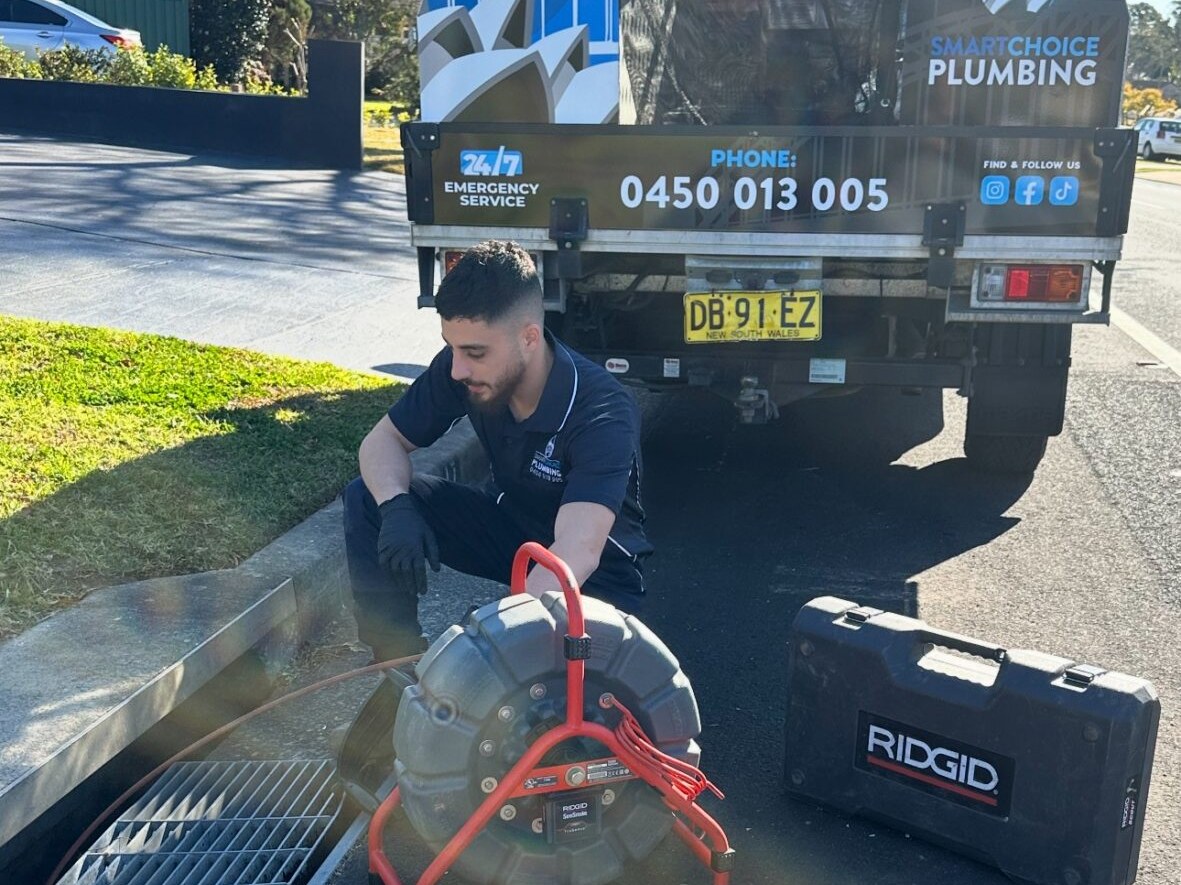
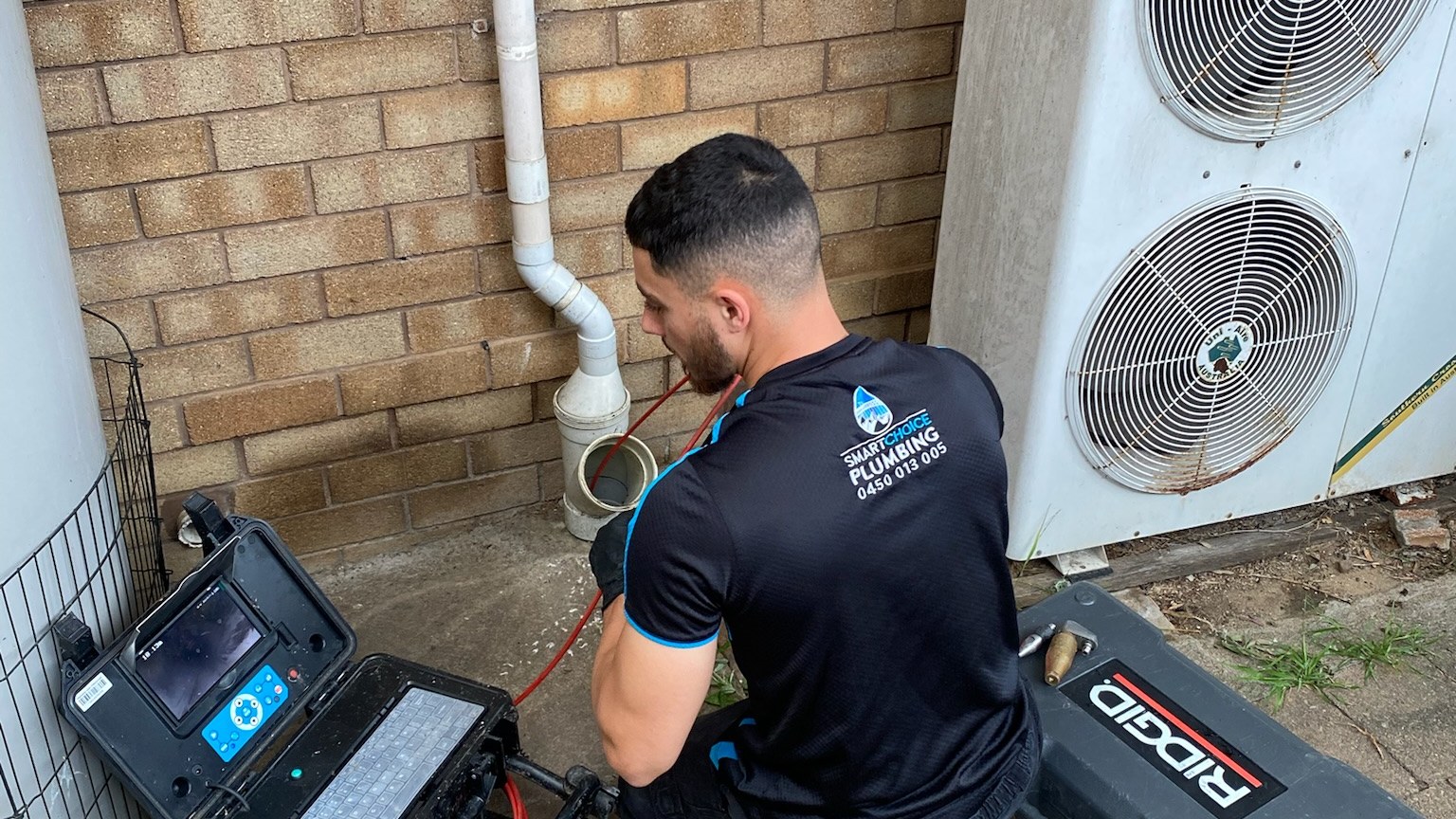
Blocked sewer lines almost always require professional tools. Plumbers use specialised equipment to clear blockages and inspect the pipe’s condition.
This includes:
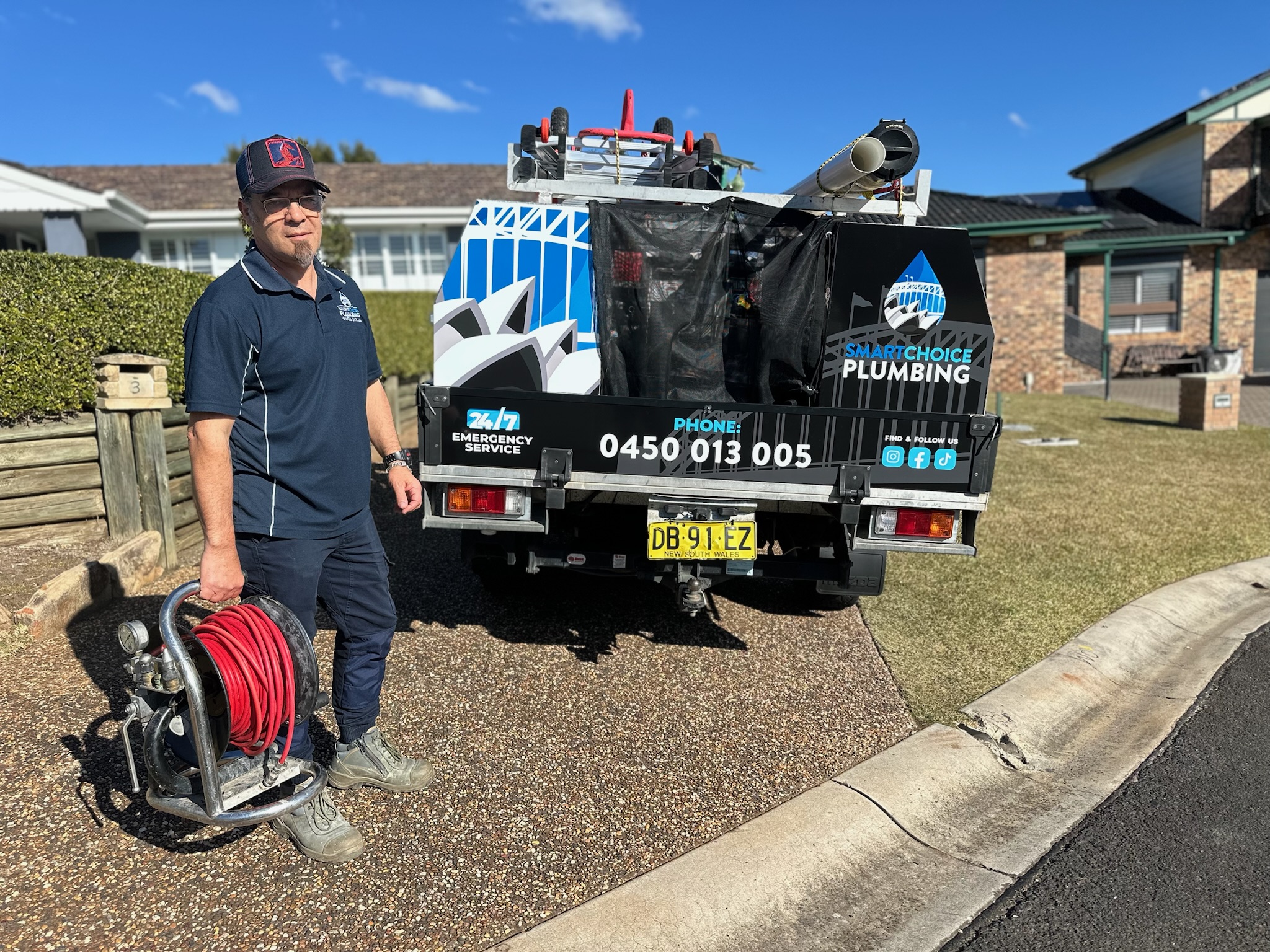
- High-pressure jetting to remove roots and debris
- CCTV sewer cameras to inspect the internal pipe
- Root-cutting heads for heavy root intrusion
- Pipe relining options if the pipe is damaged
- Excavation only when structural collapse is confirmed
CCTV plays a major role in identifying exactly what caused the blockage so it doesn’t happen again.
When To Call a Licensed Plumber. You should call a plumber if:
- Multiple drains are blocked at once
- Sewage backs up into your shower, bathtub or floor drain
- There are foul smells coming from inside or outside the home
- You hear gurgling from toilets and drains
- The overflow relief gully is spilling wastewater
- Blockages keep returning even after temporary fixes
Ignoring sewer issues can lead to serious property damage and health risks.
Bottom Line: Keep Your Sewer Line Flowing Safely
Blocked sewer lines can cause unpleasant smells, water damage and expensive repairs if not handled early. Watching for slow drains, bubbling toilets and outdoor pooling water can help you catch the problem before it escalates.
If you suspect a sewer blockage and want fast, professional diagnosis and clearing, Smart Choice Plumbing provides reliable sewer line repair across Campbelltown, Macarthur, Liverpool and surrounding areas.