Water conservation is gaining more and more popularity in the current eco-conscious world. Not to mention that people are becoming more aware of the extent of damage these leaks can cause to your property. This is where having a reliable system for the detection of water leaks becomes indispensable in all types of properties. Water leaks can occur anywhere, causing significant financial losses and environmental damage if left unchecked.
In this blog, we will explore the various types of water leak detection devices available, empowering you to make an informed decision to protect your property and assets. Let’s start!
Understanding the Significance of Water Leak Detection
Undetected water leaks pose significant risks to both residential and commercial properties, potentially leading to a wide range of adverse consequences.
- Water leaks can gradually damage the structural integrity of buildings, weakening foundations, walls, and ceilings over time. This deterioration becomes a safety hazard to occupants and can lead to costly repairs.
- Excess moisture from undetected leaks creates an ideal environment for mould and mildew growth. These fungal growths not only compromise indoor air quality but also pose health risks, especially to individuals with respiratory issues.
- Unchecked leaks can result in a significant increase in water bills over time. Even small, seemingly inconsequential leaks can add up to substantial financial losses if left undetected for extended periods.
- If you detect leaks early, you can easily make quick repairs. This prevents further deterioration of building structures, and you can avoid any kind of costly remediation efforts down the line.
- Timely detection and remediation of water leaks help safeguard indoor air quality and reduce the risk of respiratory ailments.
- Early detection of leaks minimises the extent of damage, resulting in lower repair costs and reduced downtime associated with property maintenance and restoration.
Methods of Leak Detection
1. Visual Inspection
Regular visual inspections of plumbing fixtures, pipes, and appliances can help identify visible signs of leaks, such as water stains, corrosion, or dampness.
2. Utilisation of Water Leak Detection Devices
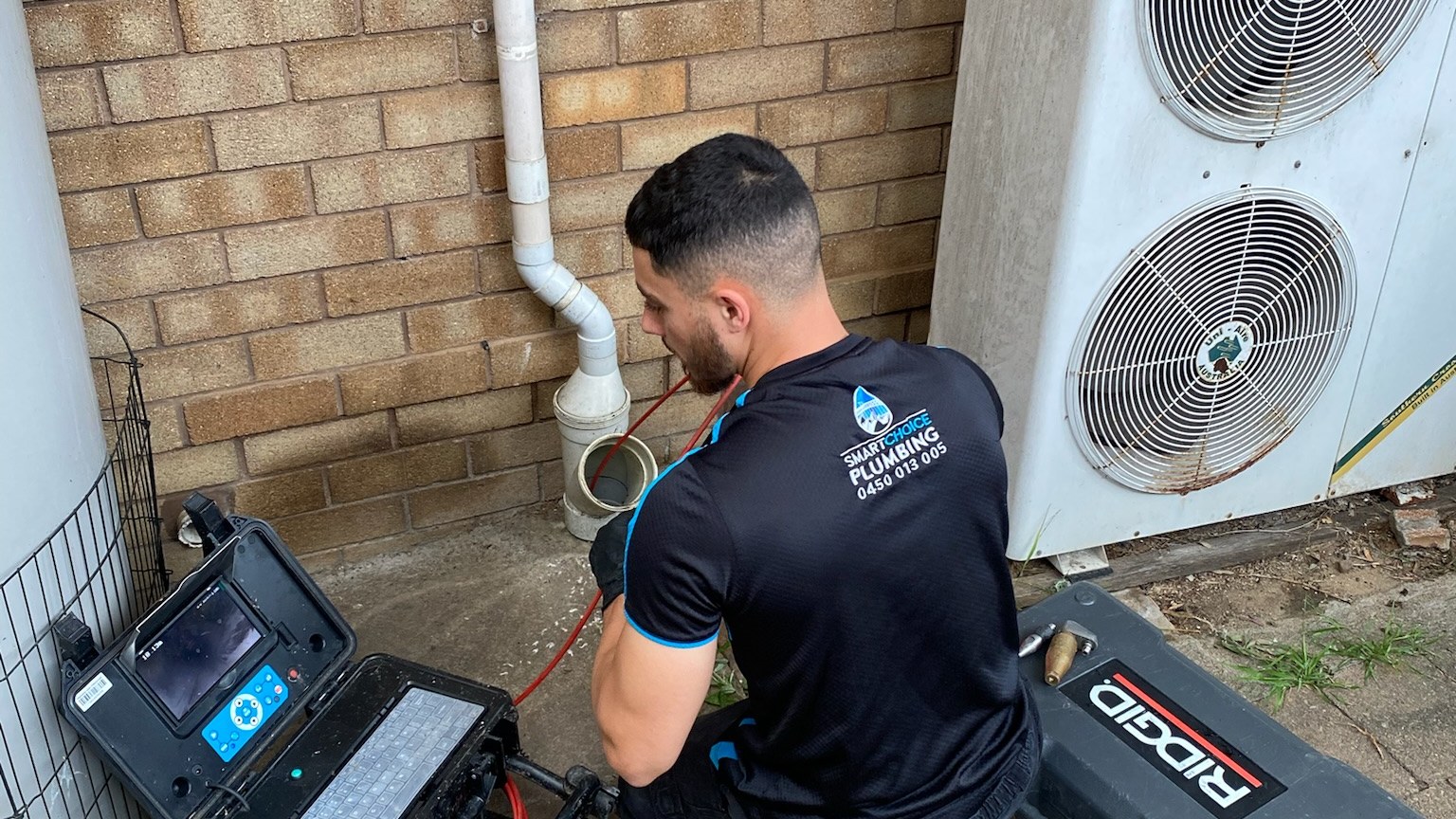
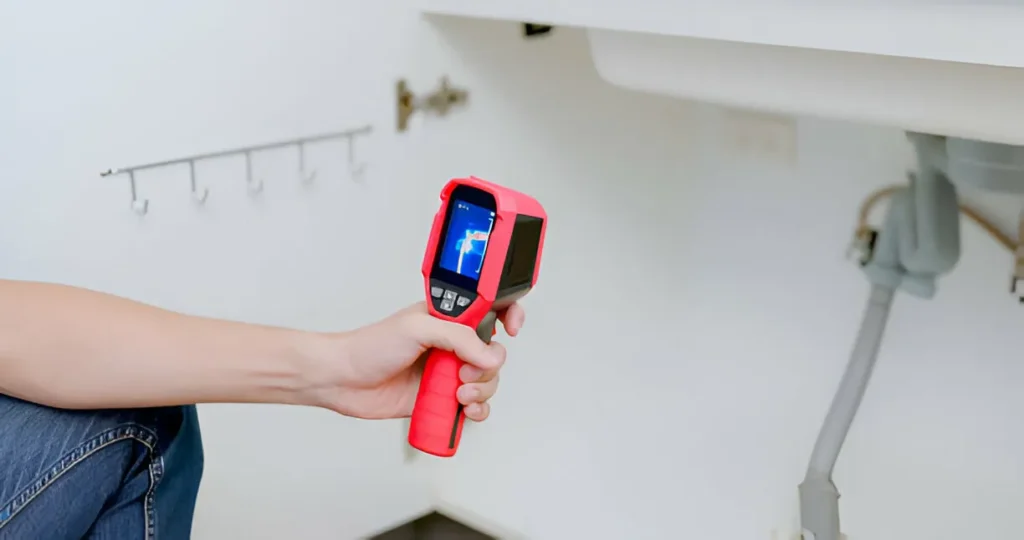
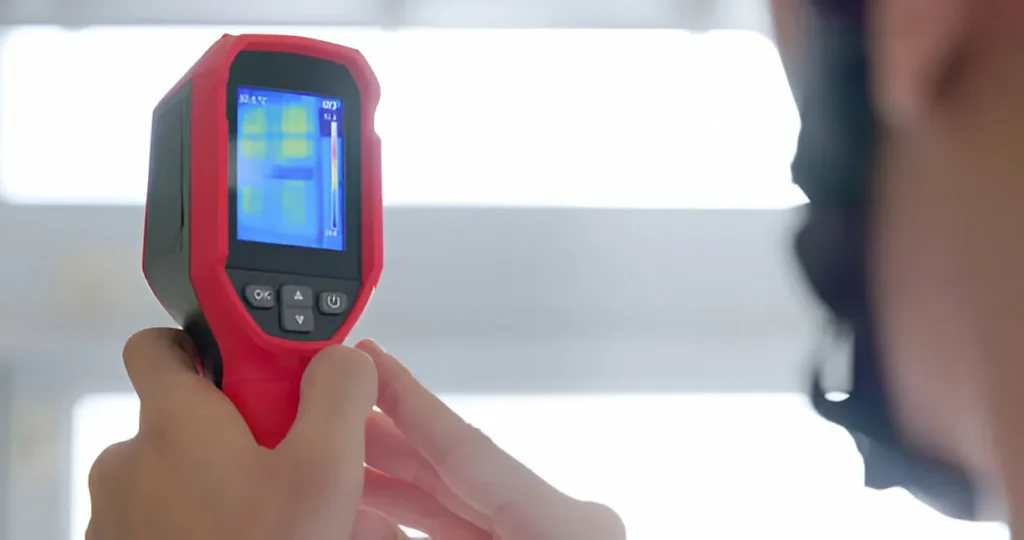
Modern technology offers various water leak detection devices, such as moisture meters, acoustic leak detectors, and thermal imaging cameras. These devices can accurately pinpoint hidden leaks behind your walls or underground.
3. Professional Leak Detection Services
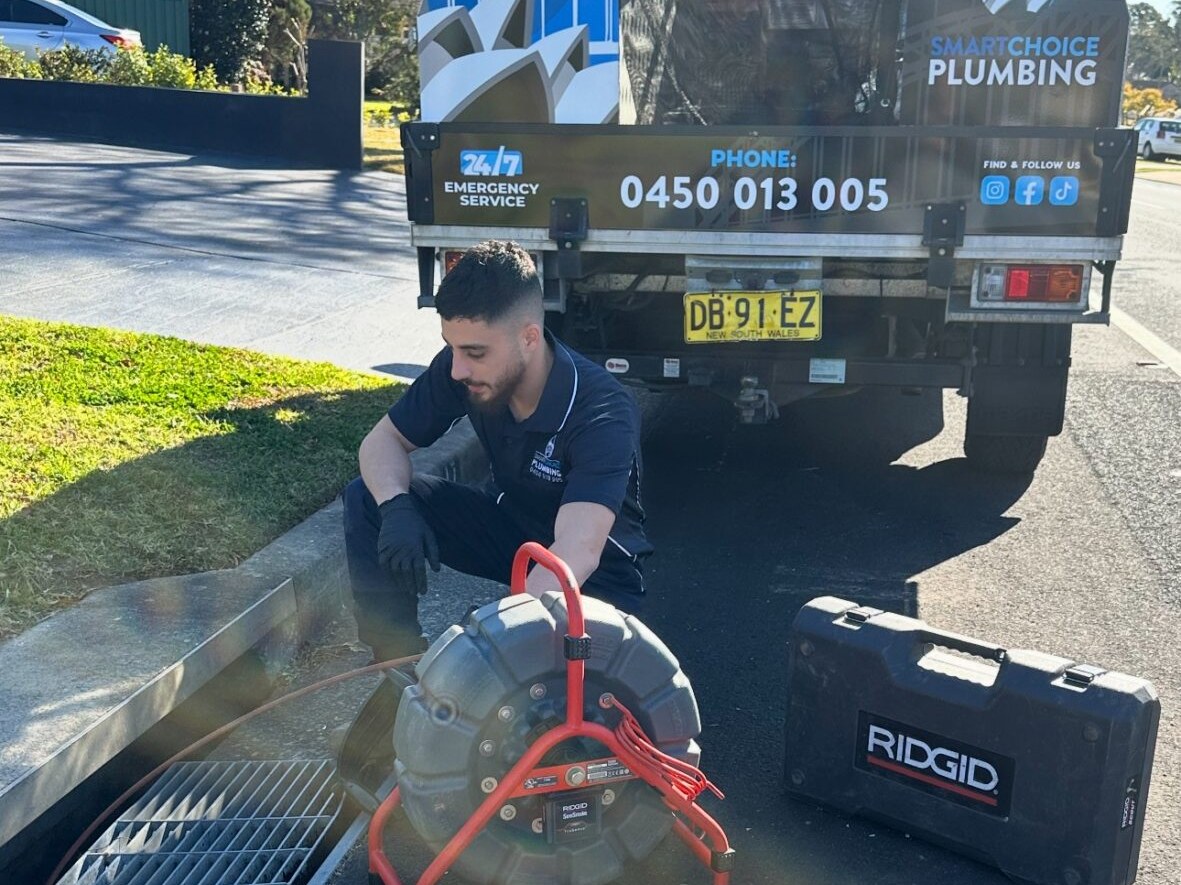
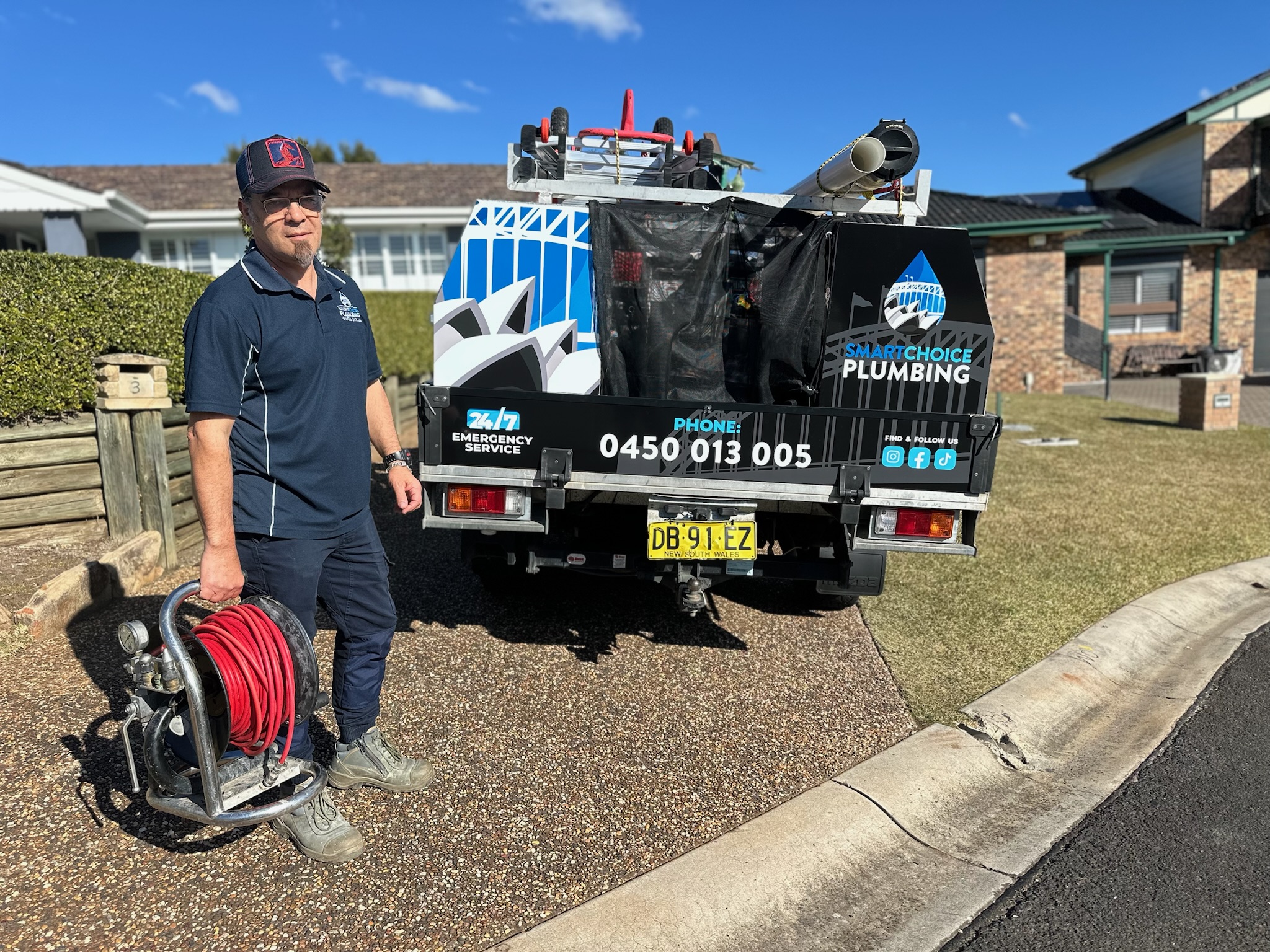
When you utilise the services of professional plumbers or leak detection specialists, you can ensure a thorough and comprehensive assessment of plumbing systems. Smart Choice Plumbing has a team of specialists that use specialised equipment and techniques perfected after decades of industry experience to detect leaks with precision.
Types of Water Leak Detection Devices
1. Direct Contact Leak Sensors
Direct contact leak sensors, commonly referred to as spot probes or point sensors, are made to surveil specific locales predisposed to leak occurrences. These sensors are primarily installed in areas such as laundry or utility rooms, where appliances like washing machines, boilers, and water heaters are kept. When these sensors come in contact with water, they activate an auditory alarm or flashing beacons that signal the presence of a leak.
2. Water Leak Detection Cable or Rope
A water leak detection cable is an electronic water detection device that offers expansive coverage. This makes such cables suitable for detecting leaks in big spaces such as basements or commercial buildings.
They are made up of a central wire encircled by concentrically wrapped sensing wires. These cables complete an electrical circuit upon contact with a conductive fluid, thereby triggering alarms that notify you of the leakage.
3. Flow-Based Alarms Connected to a Ball Shut-Off Valve
Flow-based alarms integrated with a ball shut-off valve represent sophisticated leak detection mechanisms. These alarms monitor water flow rates in real-time. They are typically composed of a water meter and a ball shut-off valve.
They detect abnormal flow rates indicative of potential leaks and sound alarms while also automatically stopping the main water supply, preventing any further damage. These systems can also provide invaluable insights into water consumption patterns and reasons for plausible leak occurrences by meticulously measuring water flow rates.
Factors to Consider When Selecting a System for the Detection of Water Leaks
When selecting a system for the detection of water leaks on your property, several factors should be taken into account. These include:
1. The Size of the Area
The first consideration when choosing a water leak detection system is the size of the area you need to monitor. Larger properties or facilities may require more extensive coverage, while smaller residential homes may only need localised monitoring in specific areas like bathrooms or kitchens.
2. Level of Sensitivity Required
Different leak detection systems offer varying levels of sensitivity. Consider the sensitivity needed for your specific situation. For example, if you’re monitoring a sensitive area like a server room or data centre, you may need a highly sensitive system that can detect even the smallest leaks. On the other hand, in a less critical area like a bathroom, a less sensitive system may be more appropriate.
3. Budget Constraints
Evaluate your budget and compare it to the cost of different leak detection systems. While investing in a reliable system is essential, you also want to ensure it aligns with your financial constraints.
4. Compatibility with Existing Plumbing Infrastructure
Make sure that your electronic water detection device is compatible with your existing plumbing infrastructure. This includes the type of pipes in your building and whether the system can be easily integrated into your plumbing setup without requiring extensive modifications.
5. Ease of Integration into Water Management Strategy
A water leak detection system should seamlessly integrate into your overall water management strategy. This means you may need to consider whether the system you are opting for can be connected to your building’s automation or monitoring system, allowing for centralised control and monitoring of water usage and leaks.
What is the Best Way to Ensure Proper Leak Detection?
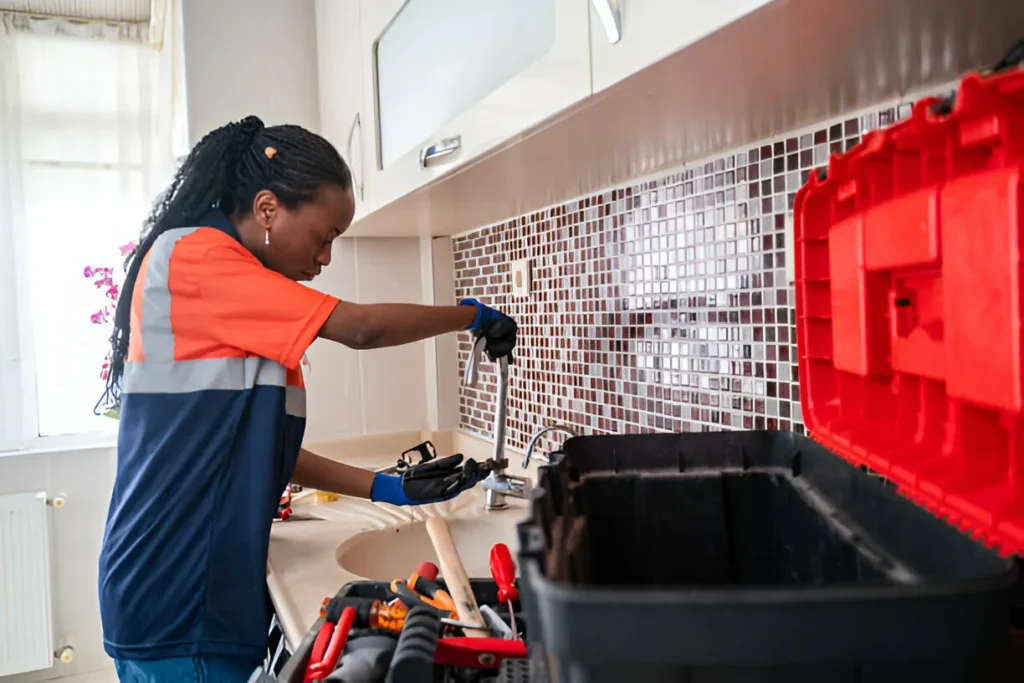
Hiring a professional plumber is the smartest way to maintain your plumbing and prevent any potential issues from your water leaks getting worse over time. If you think you may have a leak, contact a specialist who can make an accurate assessment. At Smart Choice Plumbing, we have the best team of water leak detection experts in all of Sydney!
To Wrap Up
Water leak detection devices are essential for preventing property damage, minimising repair costs, and safeguarding indoor air quality. By considering the size of the area to be monitored, the level of sensitivity required, and other factors, you can choose the right water leak detection system to protect your property and assets.
Whichever device you opt for, investing in a reliable water leak detection system is a smart decision, as it can save you time, money, and headaches in the long run. If you are looking for leak detection services for your property, don’t wait for disaster to strike; contact Smart Choice Plumbing to consult with an expert!