A blocked sewer line is one of the most serious plumbing issues homeowners face. When the sewer line becomes restricted by debris, tree roots or a collapsed pipe, wastewater has nowhere to go. This can lead to gurgling drains, toilet backups and overflowing sewage — and should be addressed immediately.
Table of Contents
1. What a blocked sewer line means
2. Early warning signs
3. Common causes
4. DIY checks
5. What homeowners can do
6. When to call a plumber
7. Long-term prevention
8. FAQs
9. Bottom line
What a blocked sewer line means
The main sewer line carries all wastewater from your home to the council sewer. When it blocks, every drain inside your home is affected — toilets, showers, basins, kitchen sinks and floor wastes. A blocked sewer line is a plumbing emergency and can quickly lead to flooding and property damage.
Early warning signs
Look for:
• gurgling in toilets, showers or basins
• slow drainage in multiple fixtures at once
• water bubbling back into floor wastes
• sewage smells inside or outside the home
• toilets filling up when other fixtures are used
• water rising in the toilet bowl
• overflowing outdoor sewer points
If multiple drains show issues, the main sewer is almost always the culprit.
Common causes
The most common sewer blockages in Campbelltown and Macarthur include:
• tree roots entering old clay pipes
• collapsed or cracked sewer lines
• heavy sludge and waste buildup
• flushable wipes (major cause)
• foreign objects flushed by kids
• old or poorly installed pipes
• heavy rainfall overwhelming damaged pipes
DIY checks
You can try:
• running water in different parts of the home to see if the problem is isolated
• checking the outdoor sewer overflow point (ORG) for signs of backup
• plunging the toilet for small internal blockages
If wastewater is rising in the outdoor overflow point, this is a clear sign the main sewer is blocked.
What homeowners can do
A few steps can reduce risk:
• avoid flushing wipes, liners and thick paper
• clean hair traps in showers
• keep an eye on kids and what they flush
• monitor slow drains early instead of waiting for a full blockage
When to call a plumber
You should call a plumber immediately if:
• sewage is backing up into your home
• multiple drains are affected
• you see overflow outside
• plunging does not help
• there are strong sewage smells
• your toilet fills instead of flushing
Your blocked drains service page is highly relevant for sewer blockages:
– Sewer Blockages
For urgent sewer issues, your emergency plumbing page is also important:
– Emergency Plumbing
Long-term prevention
To prevent recurring sewer issues:
• schedule periodic drain clearing
• upgrade old clay pipes to PVC
• avoid planting trees over sewer lines
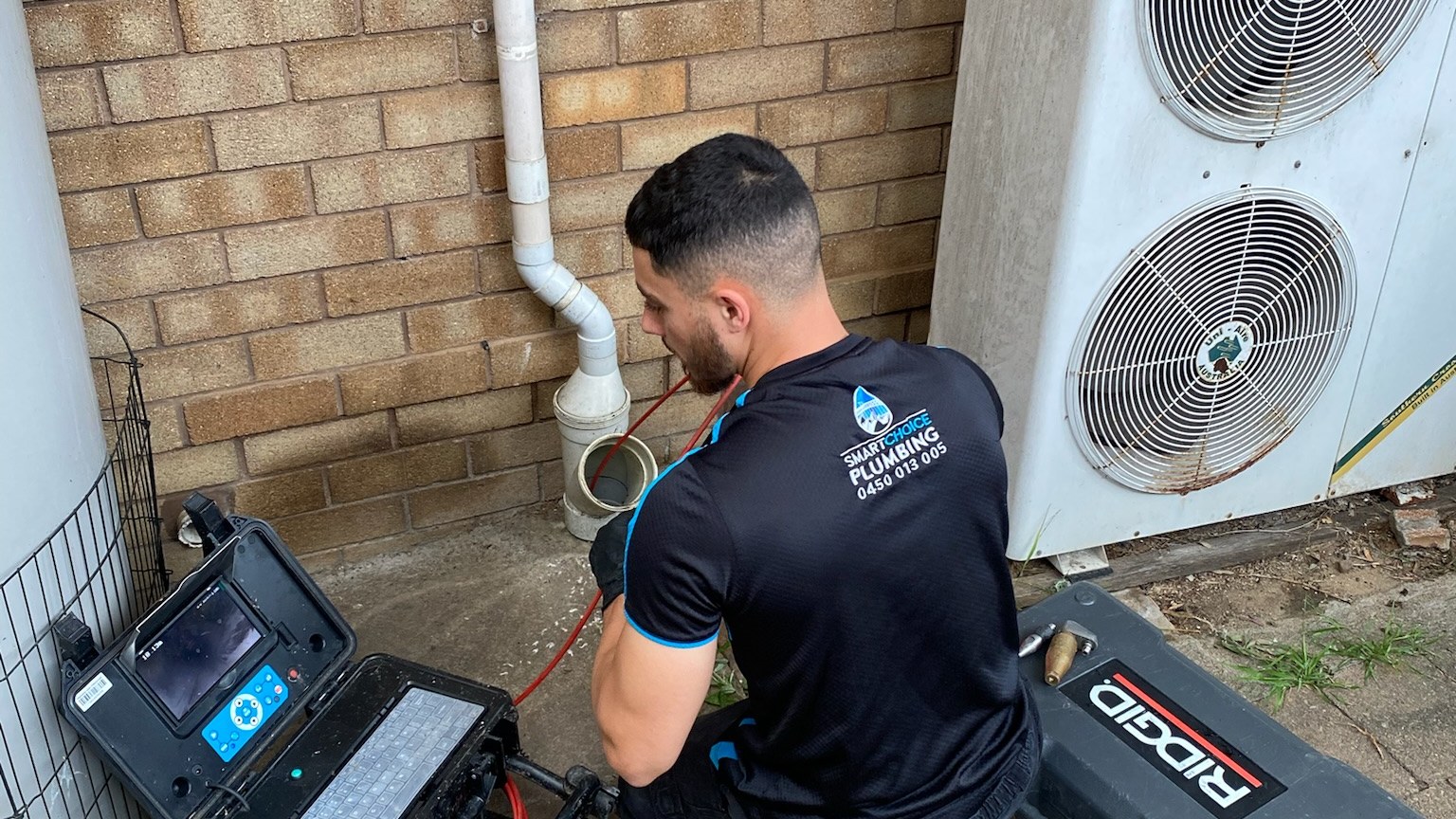
• have a plumber inspect old homes with CCTV
• avoid flushing wipes or sanitary items
• book maintenance once a year
FAQs
Why do my drains gurgle?
Gurgling means air is trapped due to a blockage forming in the sewer line.
Why does sewage come out of the overflow outside?
The sewer line is blocked and wastewater is backing up.
Why does my toilet clog even when nothing unusual is flushed?
Likely a deeper sewer issue — often roots or a collapsed pipe.
A blocked sewer line should never be ignored. Early signs often appear before a major overflow happens. Acting quickly protects your home from sewage damage and expensive repairs. Smart Choice Plumbing can clear and repair sewer lines fast to keep your home safe and functioning.