Blocked Stormwater Drains: How To Fix Them Before They Flood Your Home
Blocked stormwater drains can cause serious water damage around your property, especially during heavy rain. When stormwater stops flowing properly, you may notice pooling water, overflowing gutters or soggy soil around the yard. Fortunately, most stormwater problems can be identified early and repaired before they become expensive.
This guide explains the most common reasons stormwater drains block up and gives you a clear step-by-step method to troubleshoot the issue.
Slow Drainage or Overflow: What It Means
One of the first signs of a stormwater issue is slow drainage around pits, grates, or driveway drains. If water rises quickly or sits for a long time after rain, it usually indicates a blockage forming underground.
Check All Outdoor Drains
Walk around your property and look at all stormwater grates, gutters, downpipes and pits. Remove leaves, dirt and any debris sitting on top. Flush the drain with a garden hose. If water overflows or backs up instantly, the blockage is further down the line.
Inspect Gutter Downpipes
Downpipes play a major role in stormwater flow. If they overflow during normal rain, it normally means the underground stormwater pipe cannot keep up. This can be due to debris, root intrusion or collapsed pipework.
Pooling Water in the Yard: Why the Ground Stays Wet
Stormwater drains are designed to move water away from your home quickly. When they are blocked, water often finds its way into the soil.
Look for:
- Patches of soft, spongy grass
- Areas that stay wet long after the rain stops
- Moist soil around pathways or retaining walls
- Small sinkholes or depressions forming in the ground
These signs often mean water is escaping from a damaged or blocked stormwater pipe.
Tree Roots: The Most Common Stormwater Blockage
Tree roots are the leading cause of stormwater blockages in Sydney homes. Roots can enter tiny cracks in the pipe and multiply quickly until they fill the entire line.
Inspect Areas Near Trees
If you have large trees or thick shrubs near the stormwater route, root intrusion is highly likely. Repeated blockages in the same spot are also a strong indicator of roots inside the pipe.
Collapsed or Cracked Stormwater Pipes
Older stormwater pipes—especially clay or thin PVC—can collapse due to soil movement, age, or heavy vehicle pressure. Once the pipe collapses, water can no longer pass through, causing major backup issues.
Signs of pipe failure include:
- Sections of lawn that continually sink
- Cracks in driveways or paths near the pipe
- Water appearing in unusual areas around the home
- Drainage that worsens over time, especially during storms
DIY Checks Before Calling a Plumber
Before booking a stormwater specialist, there are simple checks you can do yourself to narrow down the problem.
- Clear all leaves and debris from the top of pits and grates
- Run water from a hose into each drain to test flow
- Check gutters and downpipes for blockages
- Inspect surface drains during light rain
- Check if water returns to the surface when flushing a pit
If water continues to back up or overflows instantly, the blockage is likely deeper underground.
Professional Stormwater Clearing and CCTV Inspection
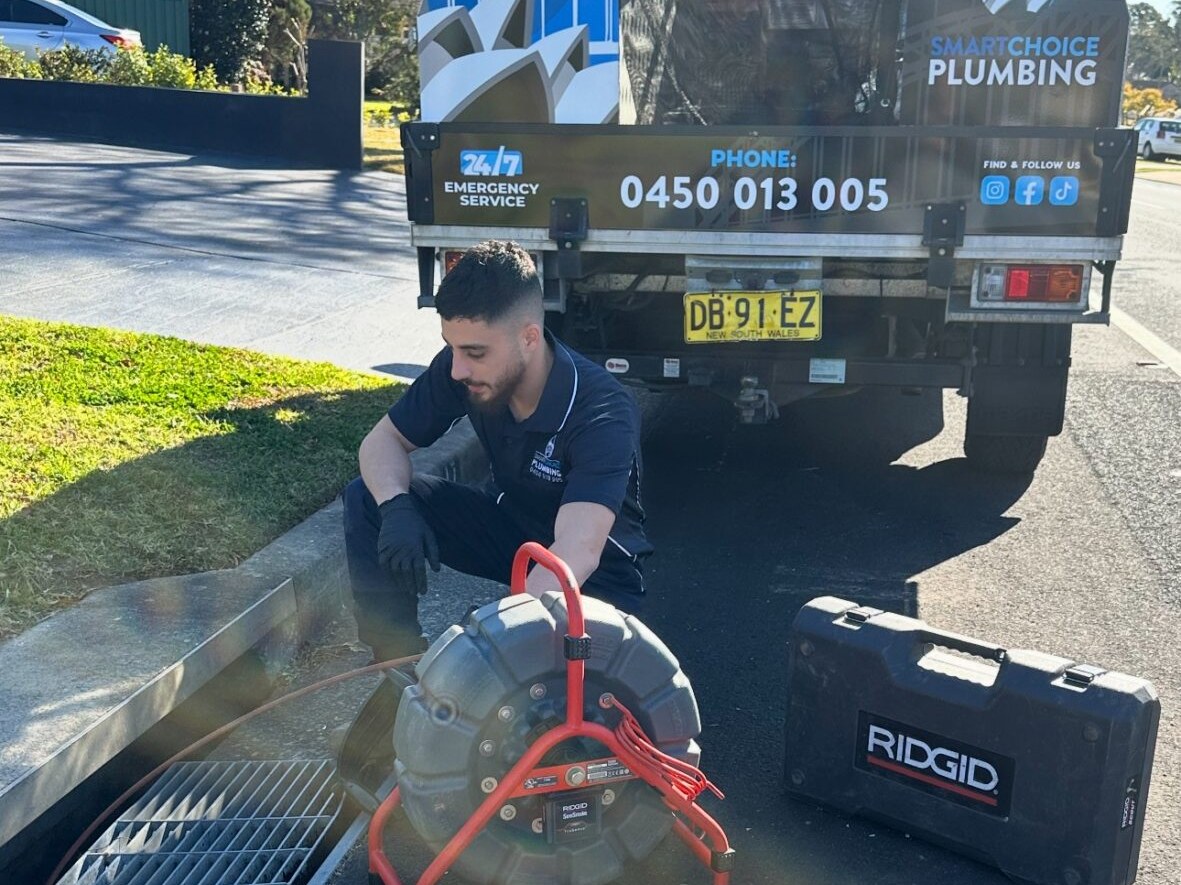
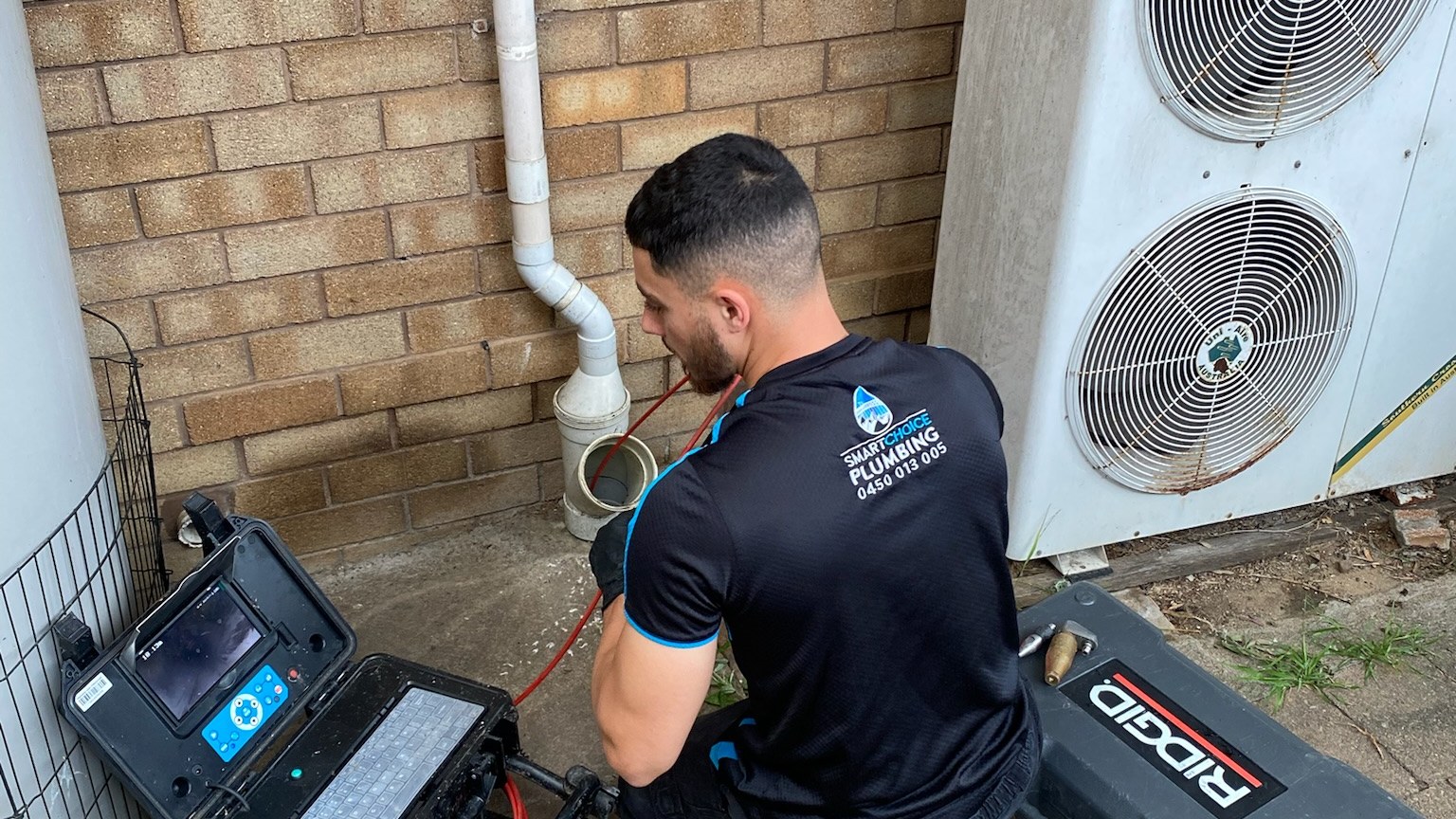
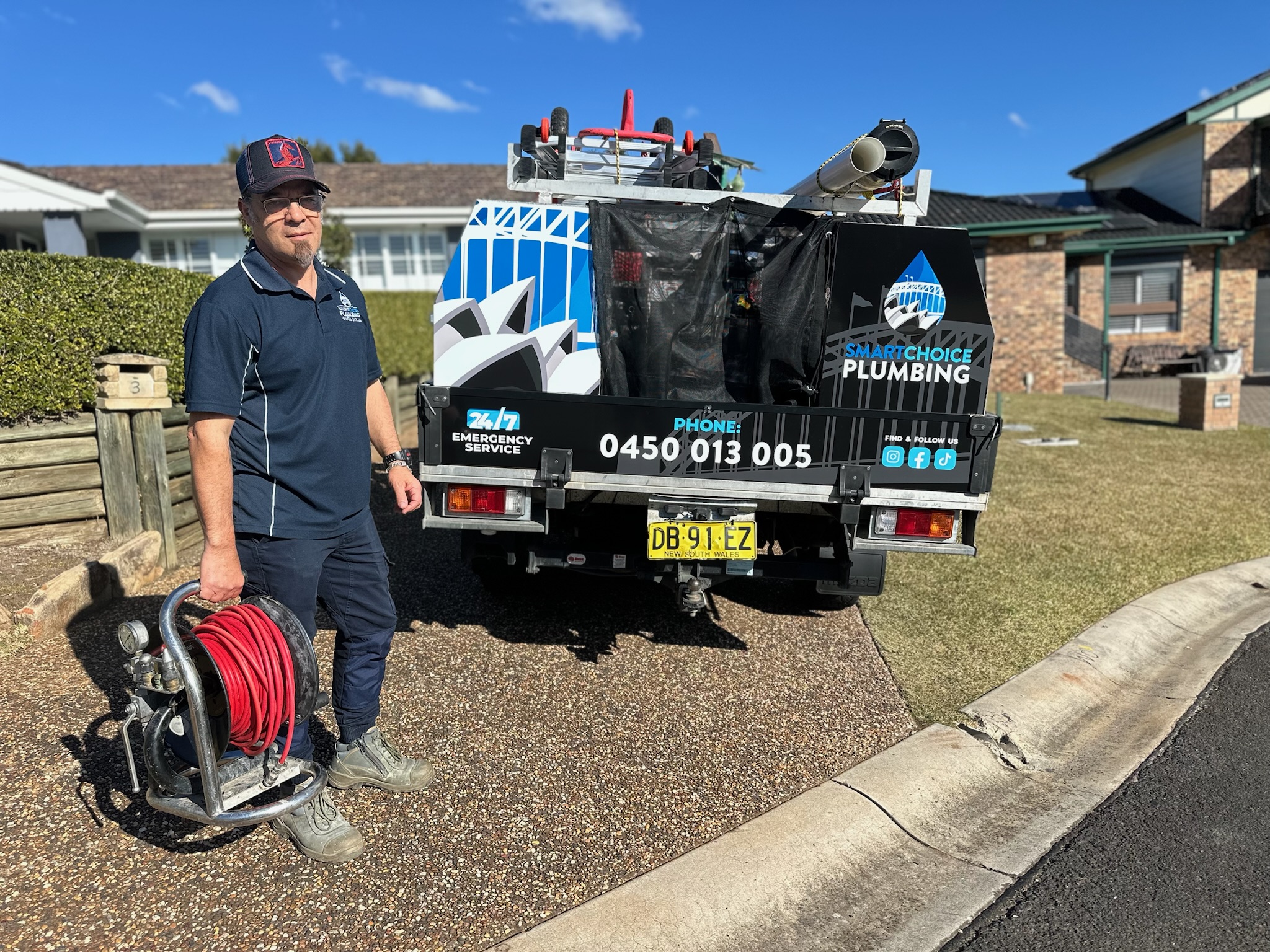
Blocked stormwater drains almost always require professional tools for complete clearing. Plumbers use high-pressure jetters and CCTV cameras to inspect and clean the system without unnecessary digging.
High-pressure jetting removes:
- Tree roots
- Mud
- Sand
- Silt
- Leaf build-up
CCTV cameras then check the condition of the pipe internally and confirm whether the pipe is damaged, collapsed or requires relining.
This method gives you an accurate diagnosis and ensures the blockage won’t return.
When To Call a Licensed Plumber? You should call a professional if:
- Your stormwater drains overflow even during light rain
- Water is pooling around your property
- Downpipes keep overflowing
- Gurgling noises come from outdoor drains
- Your yard remains wet for days
- Water is backing up through pits or driveway drains
- Blockages keep returning after DIY attempts
Stormwater issues can quickly lead to flooding, foundation damage and erosion, so early intervention is crucial.
Bottom Line: Keep Your Stormwater Flowing Properly
Blocked stormwater drains can cause extensive damage if ignored. Looking out for slow drainage, pooling water and overflowing downpipes can help you catch the problem before it gets worse.
Regular cleaning of gutters, downpipes and pits can prevent most minor blockages. But if you notice flooding or repeated issues, professional stormwater clearing is the safest and most effective solution.
If you need fast, reliable stormwater drain clearing in Campbelltown, Macarthur or surrounding areas, Smart Choice Plumbing is here to help.